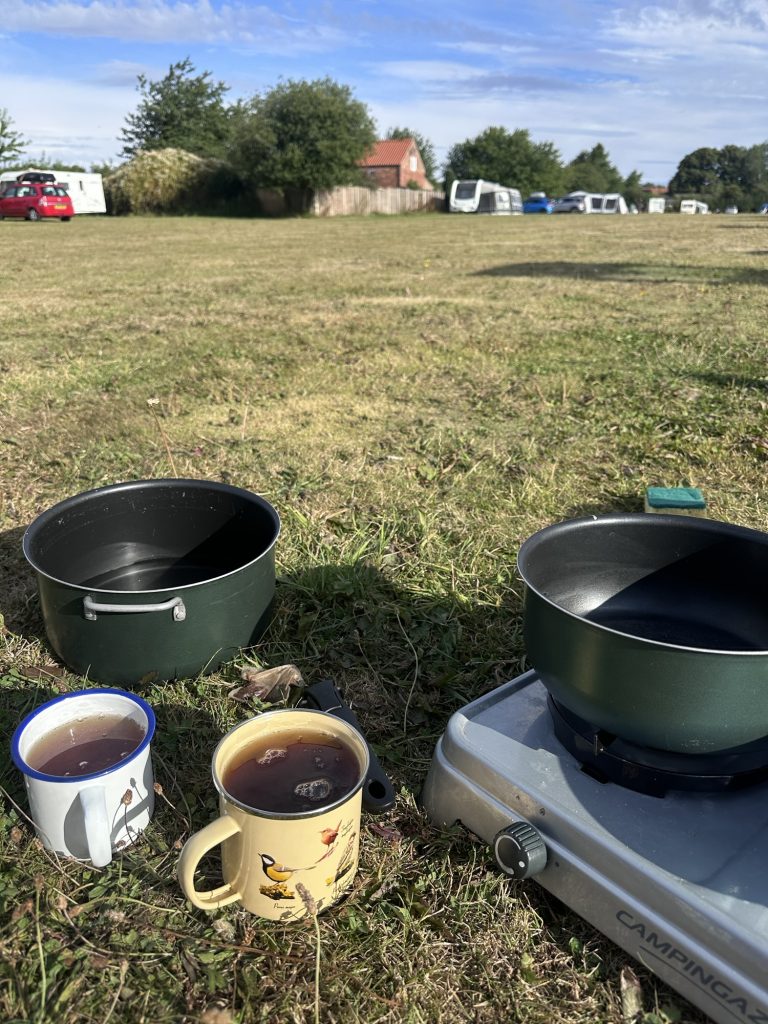
We wake up in Yorkshire and enjoy a slow morning as we booked this campsite two nights. All tents around us are being packed, it’s Sunday after all, but we enjoy a tea and a book.
We leave at 9:45 for the next door Rievaulx Abbey. The Abbey was founded by St Bernard of Clairvaux in 1132 and became one of England’s wealthiest monasteries. It was the first Cistercian monastery founded in Northern England, spearheading the establishment of the order across the North and into Scotland.
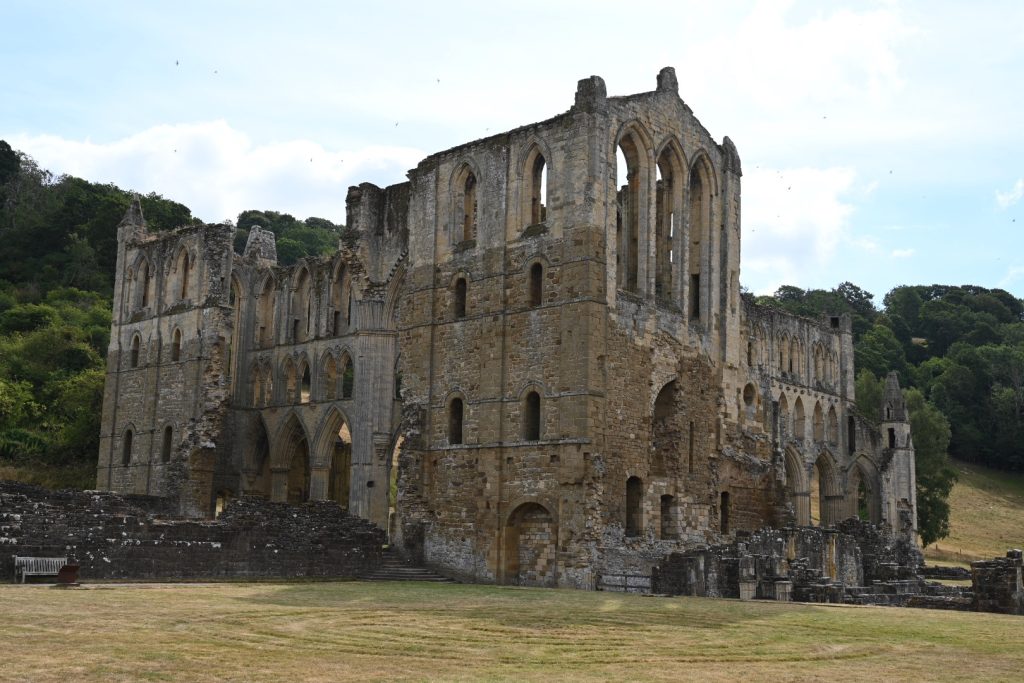
Under Abbot Aelred, mid of the 12th century, it had a population of 140 monks and more than 500 lay brothers. Today, just the ruins remain, although it’s one of the best preserved abbeys in the UK.
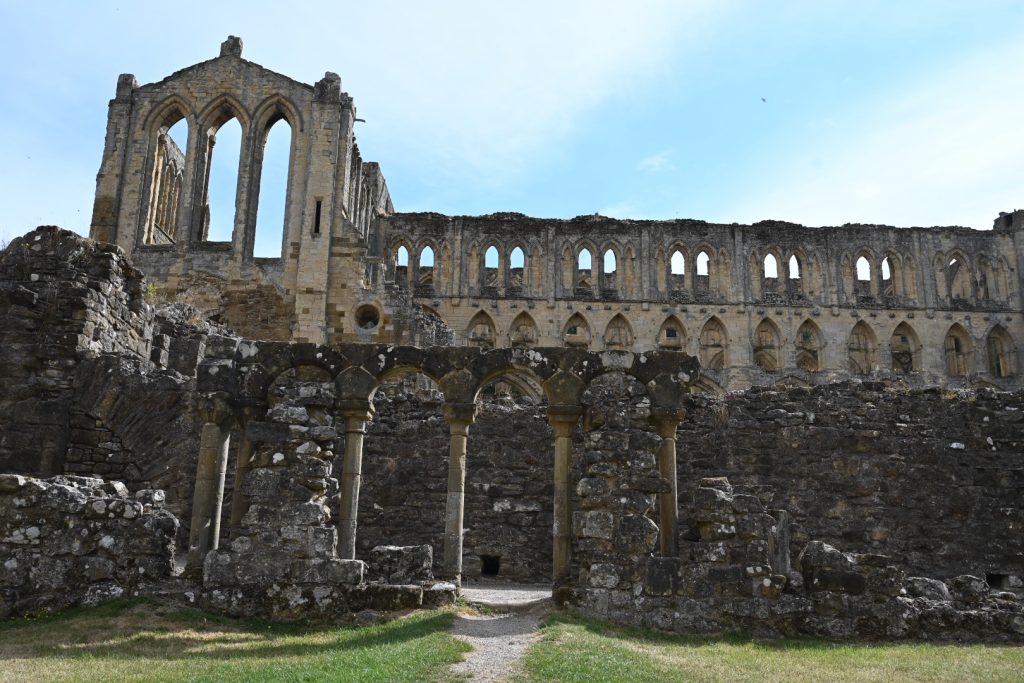
They even had a water drainage system, they took water from the river Rye and had a water powered mill, running water for faucets and used recycled water to wash wool, for their toilets, and to process leather. The dirty water was dumped back in the river, not nice for the village down stream. Part of the water drainage still works today. A tribute to the skilled monks!
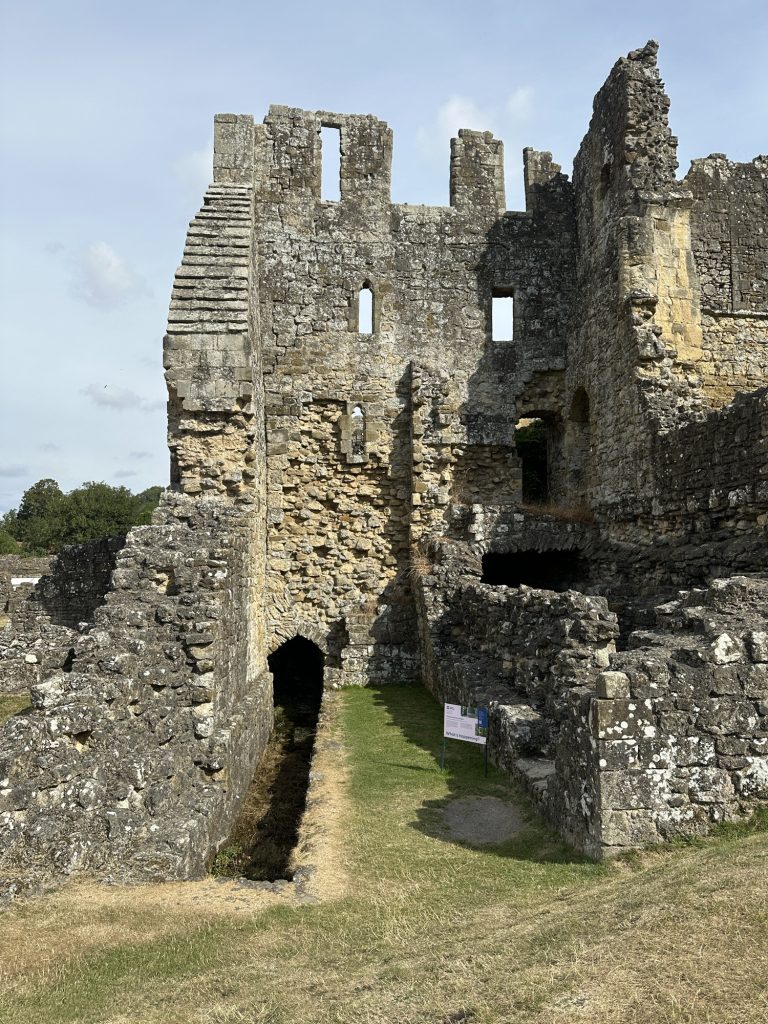
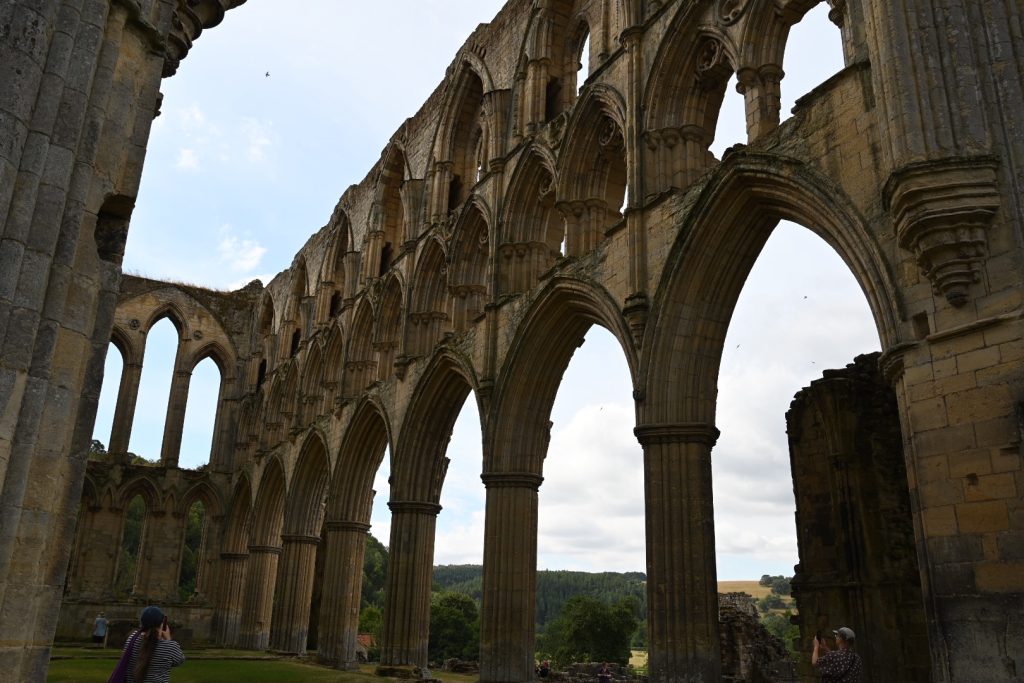
The big carved arches are impressive, especially if the sun peaks through and a maze of shadows is visible on the grass. We also notice figurative sculptures in the carved stones in the wall.
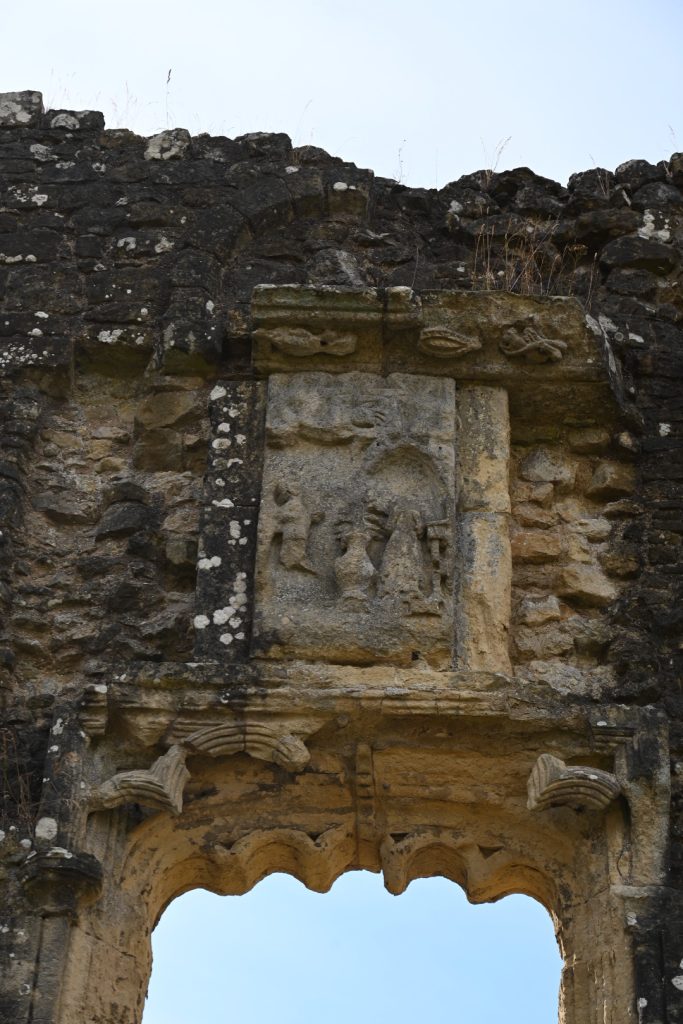
The surviving description of the church from just after the suppression gives a sense of the buildings and how the abbey functioned. The doorway from the night stairs shows where the monks would process to the church from their dormitory to sing the first service of the day at 2 a.m.
There is a small musuem exhibiting more stone work and even some coloured glass. It also tells the story of the sad démolition by King Henry VIII in 1538. In the space of 4 years, all monasteries across England were dissolved.
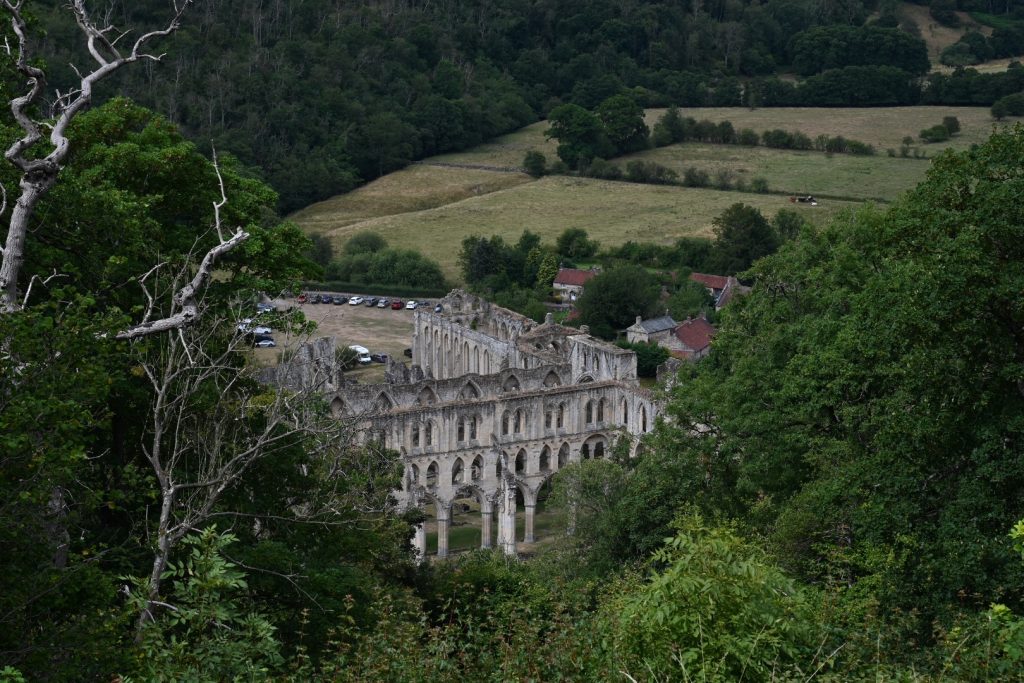
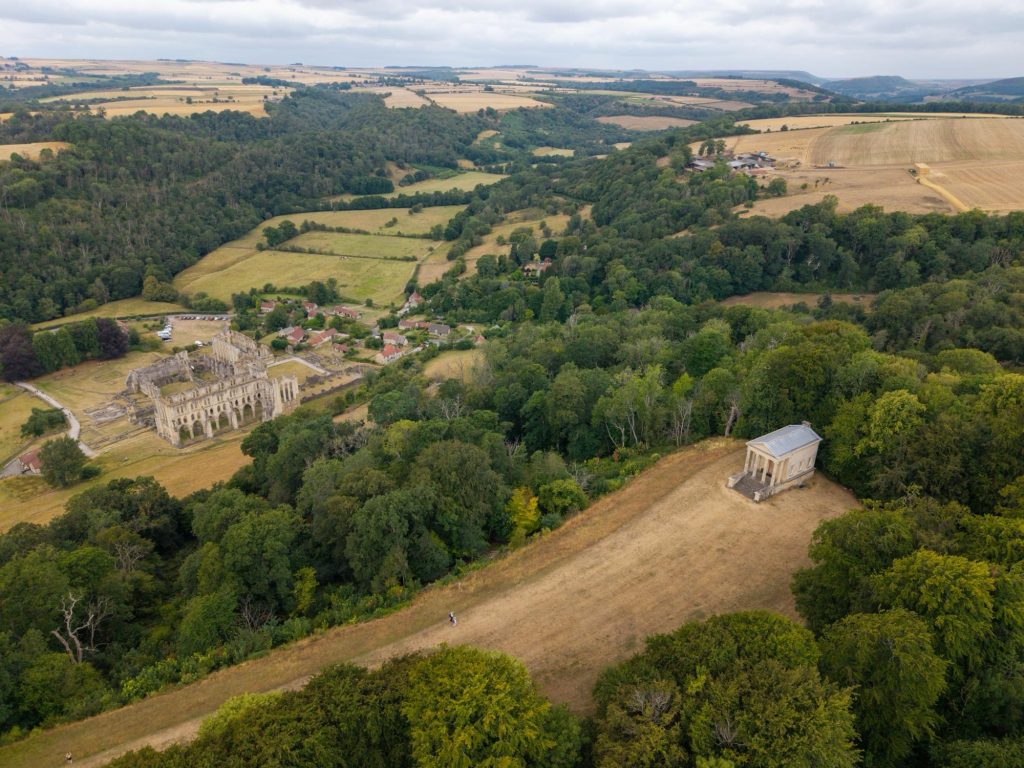
Olga explores the next door Rievaulx Terrace on her own. It’s a stroll through some woods, and the main attraction is the walk on the terrace with stunning views on the abbey. There are also two temples, but they are closed today. Tim explores the abbey from the sky in the meantime.
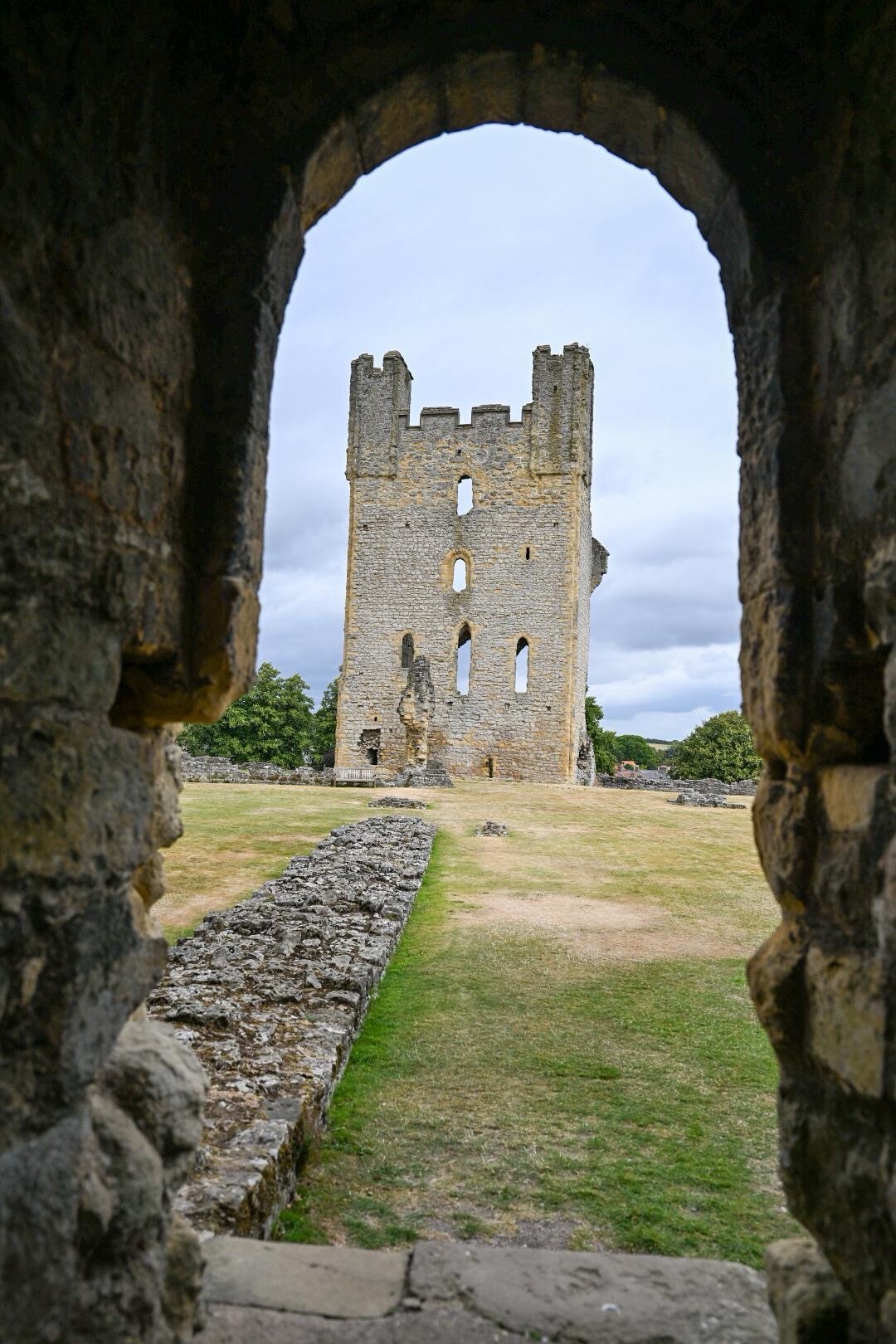
It’s extremely busy at the parking of Helmsey Castle. It’s clearly high season. The kids got an English Heritage passport to fill-in and badges to collect. We keep all the volunteers at the sites busy with our children.
It’s a medieval castle, only two towers and a residential building from 1500 remain. There are double ditches surrounding a rectangular inner bailey.
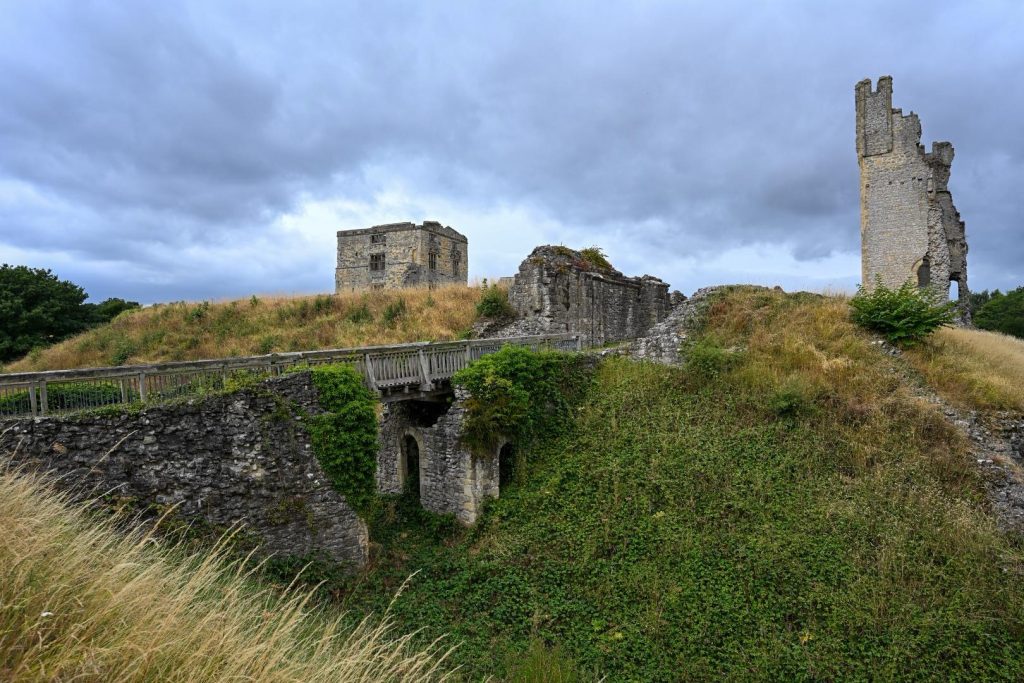
In the house, there is a small exhibition about castle life and habits. We finally learn why you cannot have your elbows on the table: the tables were not super stable, so they had to be handled with care. We can also take a nice stroll around the exterior on the most outer rampard before we head back to our car for the next site.
All sites are relatively close, just 15 minutes apart. We stop at Numnington Hall which is run by the National Trust, this means Pokemon stickers at the end of the visit. At the start are again games of the Summer of Play, the arrow and bow attrackt our kids and Tim gives a masterclass.
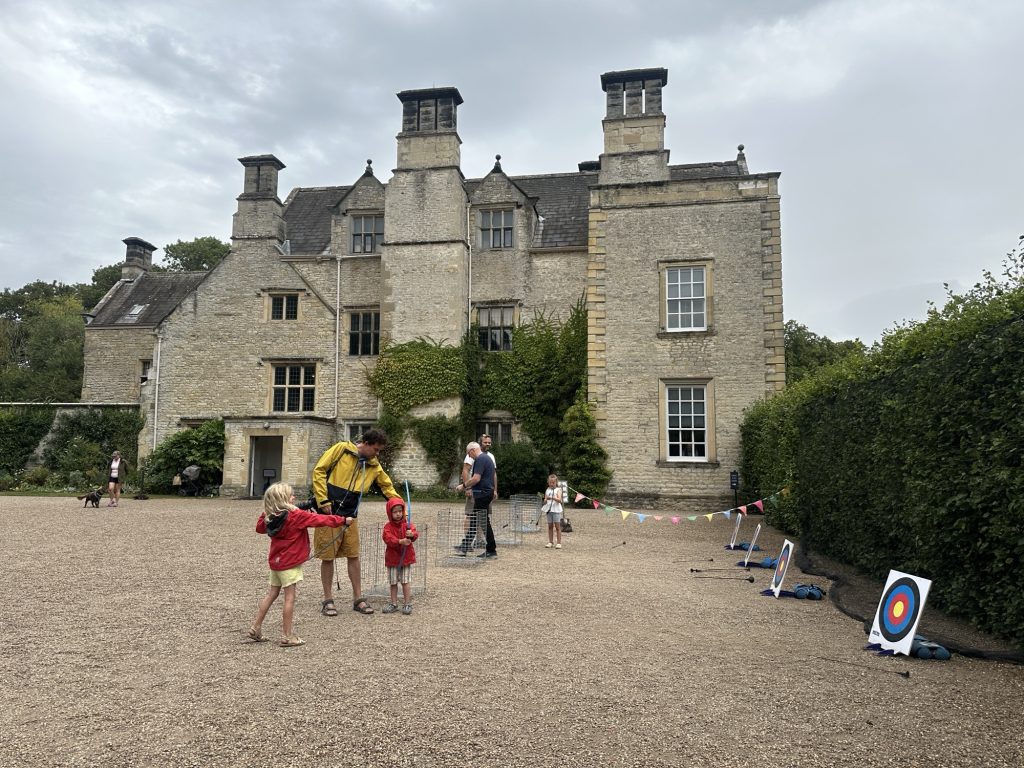
There is a light drizzle, so we start inside. When we enter the old stone hall, the oldest part of the building, from the 16th century, we are greeted by a grizly range of dead animals. We see tigers, antilopes, lions and many more variants of deer. We quickly move to the other rooms which have more ordinary furniture.
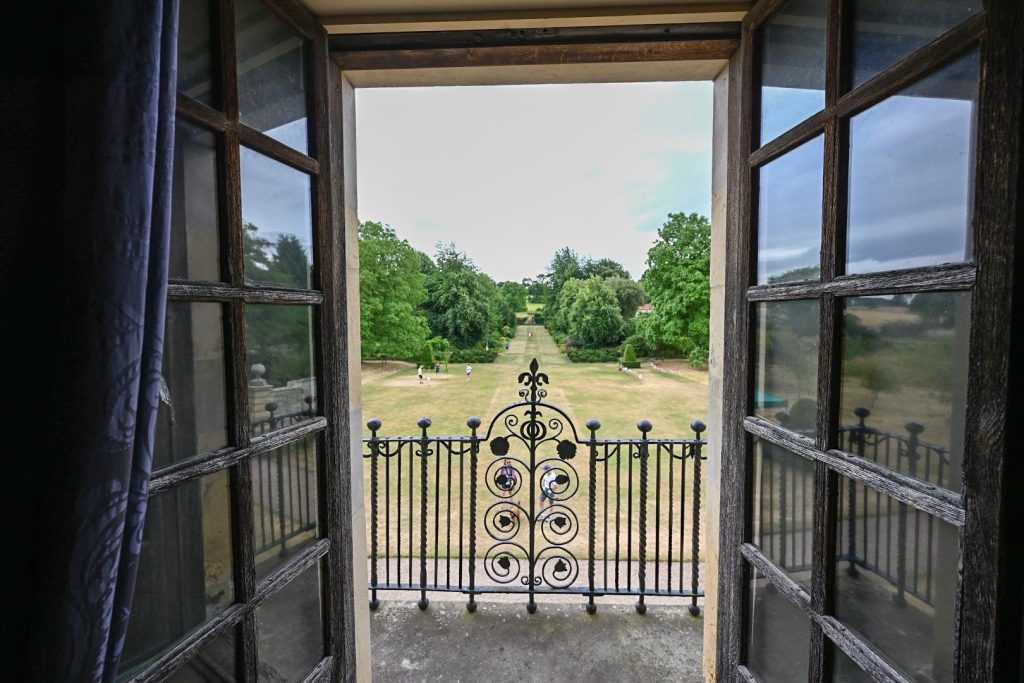
We enjoy the views over the beautiful garden through the French doors in the drawing room. The top floor is dedicated to children, there is a collection of doll houses and several playing rooms to do games, draw and read. Outside the rain has moved on and we do a quick tour of the garden and outside games before collecting the stickers.
When the children ask us where we are going, we now get asked a follow up question: pokemon (National Trust) or badges (English Heritage)? Our last stop will be badges.
Pickering Castle stands on the fringe of a historic market town. It was an earth-and-timber castles rebuilt in stone. At its core is a high and steep-sided Norman ‘motte’ mound surrounded by a ditch. It was later crowned by a stone shell keep. We climb the motte stairway for panoramic views over the surrounding countryside.
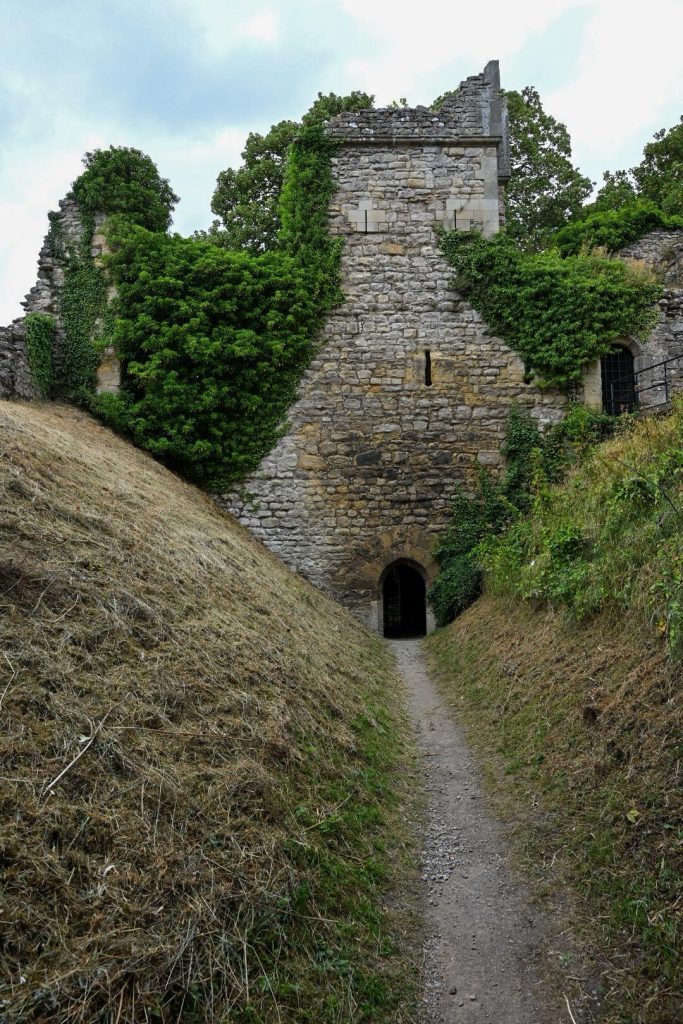
Most of the outer walls survive pretty well, but did suffer large scale destruction during the Civil war as so many other castles. The children finish their trail and collect their badges. We do groceries shopping in town and drive back to the camping.
The camping is nearly empty when we arrive. We play outside until a light drizzle starts again. We listen to some podcasts in our tent, and it’s dry when we get hungry, so we can cook and eat. We even see three deer walking on top of the ridge of the field next door. At 19:30 the drizzle is back and we hide in our tent with our books.
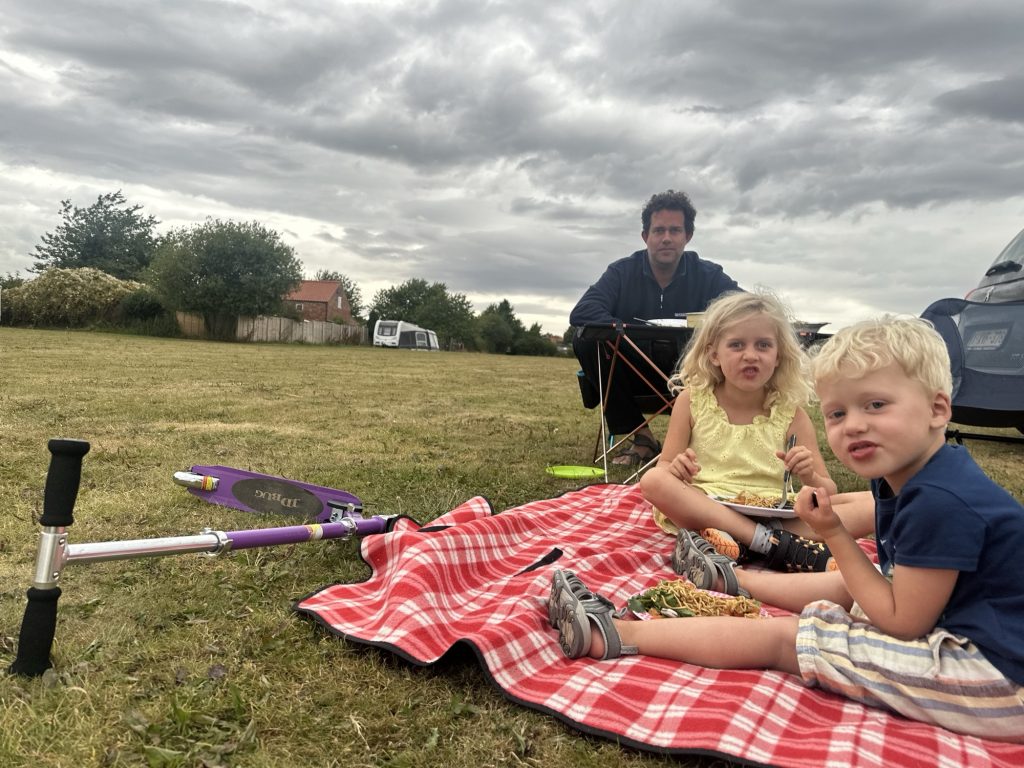
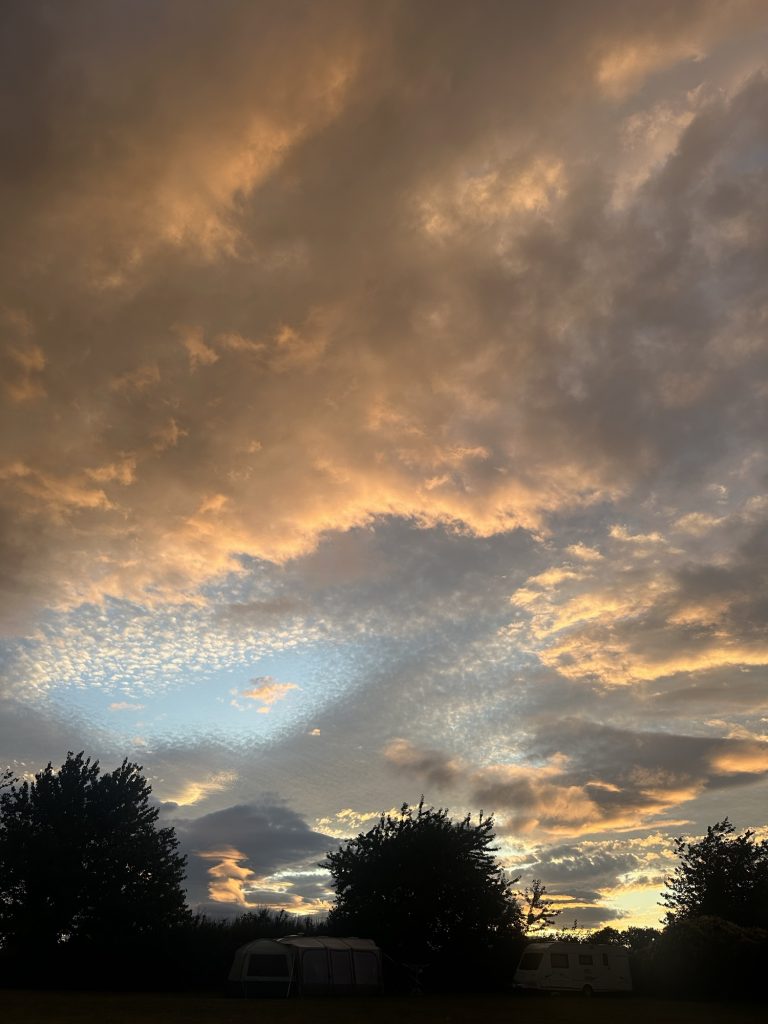
The skies are stunning though